

Blog
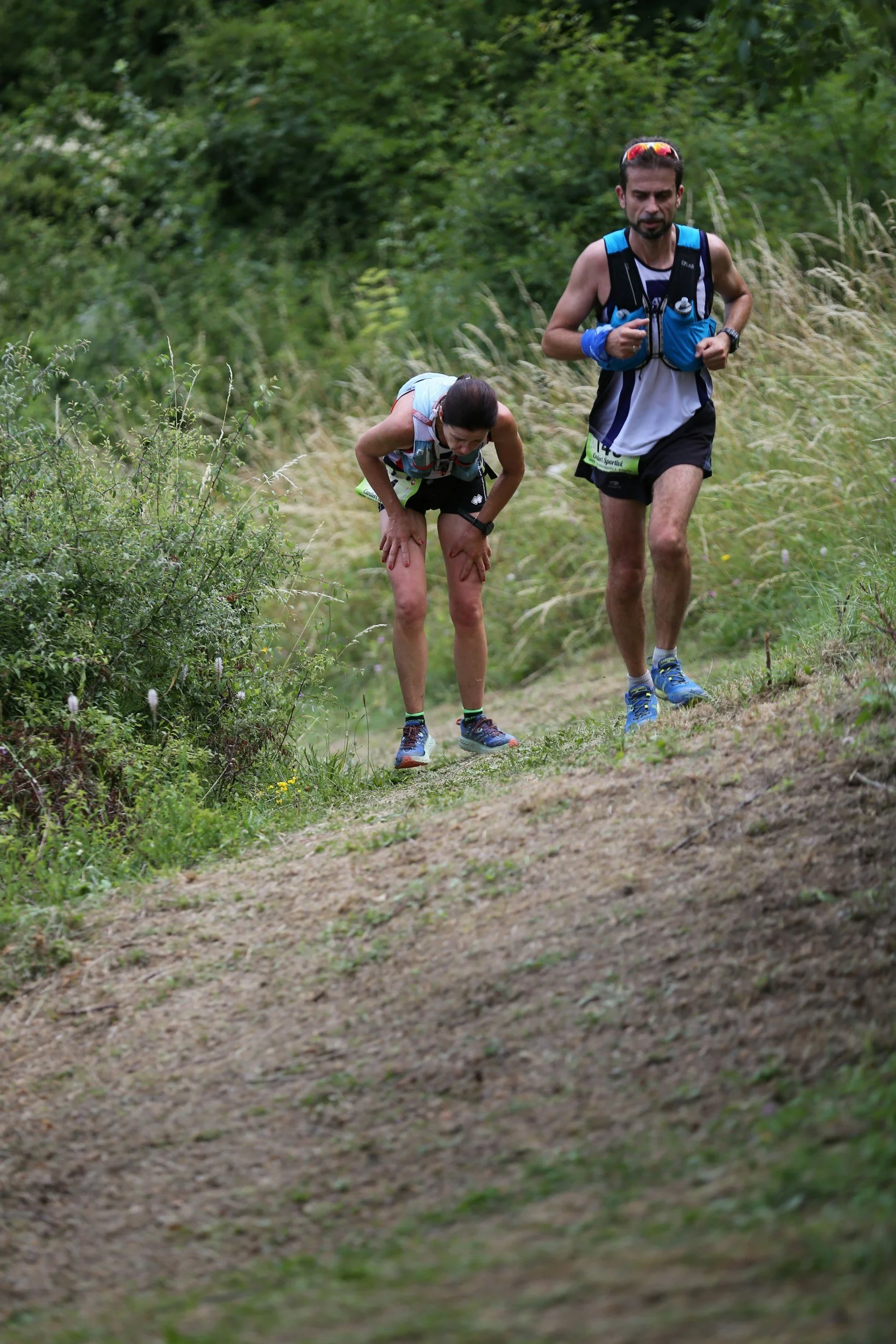
Your Not Soft. Your Experiencing Shame.
Endurance sport and ultrarunning specifically has a complex and increasingly scrutinized relationship with toughness. The values that make someone capable of running 100 miles through the night high pain tolerance, ability to push through discomfort, stubborn refusal to quit are the same values that make it almost impossible to process failure without turning it into something about character.

When Running Is Your Whole Identity
You signed up for the race months ago. You've logged the miles, the vert, the early mornings, the time away from family. Trail and Ultrarunning isn't just something you do — it's who you are. And honestly? That level of commitment is part of what makes you good at this.
But here's a question worth sitting with for a moment:
Who are you when you can't run?

Athlete Burnout: How to Recognize It Before It's Too Late
I noticed the obvious signs late in the season last year. It was my umpteenth time trying to finish Lead Challenge. I was starting to abhor Leadville. The vibe around the race series was getting under my skin. The people at the starting line of both the hundred-mile bike and hundred-mile run were grating... I was annoyed with everything about the race, the scene… besides the fact that on this last race I couldn’t sleep more than hour because of a screaming child in a campground. I was going through the motions to get it done. I wanted to get it done, don’t get me wrong but I was going through the motions…I was starting to get burnt out. I may not have fully been there – there were pieces that were missing as you’ll see here - but I was definitely on track to burnout and I’m sure if I did another year of Leadville training, I’d be in it – deep.