

Blog
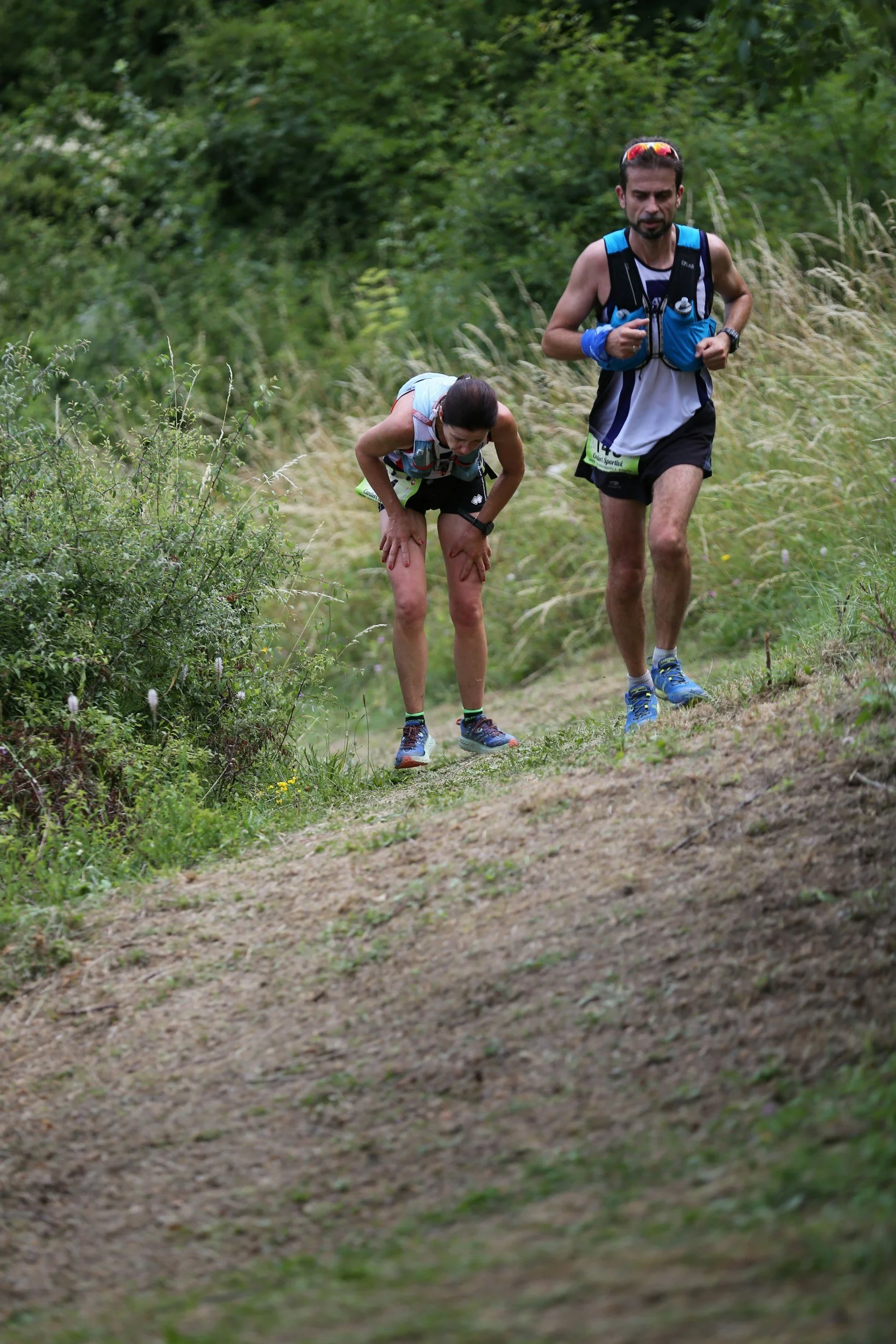
Your Not Soft. Your Experiencing Shame.
Endurance sport and ultrarunning specifically has a complex and increasingly scrutinized relationship with toughness. The values that make someone capable of running 100 miles through the night high pain tolerance, ability to push through discomfort, stubborn refusal to quit are the same values that make it almost impossible to process failure without turning it into something about character.

Unhook Your Mind
Mile twenty-two of an ultramarathon. A technical ridge at altitude with a storm building on the horizon. These are the moments when the mind becomes your fiercest competitor — not fatigue, not terrain, not weather. A single thought — "I can't do this" — can hijack the body. But what if you didn't have to fight it, silence it, or believe it?
That's the central promise of cognitive defusion, a cornerstone technique from Acceptance and Commitment Therapy (ACT). It won't make your legs lighter or the summit closer. What it does is fundamentally shift your relationship to the mental noise that arises when things get hard — and in endurance sport and mountain environments, things always get hard.

Injury Isn’t Just Physical: How Therapy Helps Athletes Navigate Setbacks
When athletes get injured, everyone talks about rehab timelines.
Few people talk about the hit to identity.
The loss of control.
The quiet fear that whispers, What if I don’t come back the same?
Injury doesn’t just disrupt training.
It disrupts meaning.
For many endurance and mountain athletes, sport isn’t a hobby. It’s structure. It’s community. It’s self-trust. It’s how you regulate stress and feel competent in the world.
When that’s gone — even temporarily — it can feel destabilizing.
Here are six ways therapy helps athletes navigate injury and setbacks in a way that builds long-term resilience, not just a short-term comeback.